Traditional Chinese Medicine
Ryan VALLY · 2025-05-14
Medecine Traditionnelle Chinoise
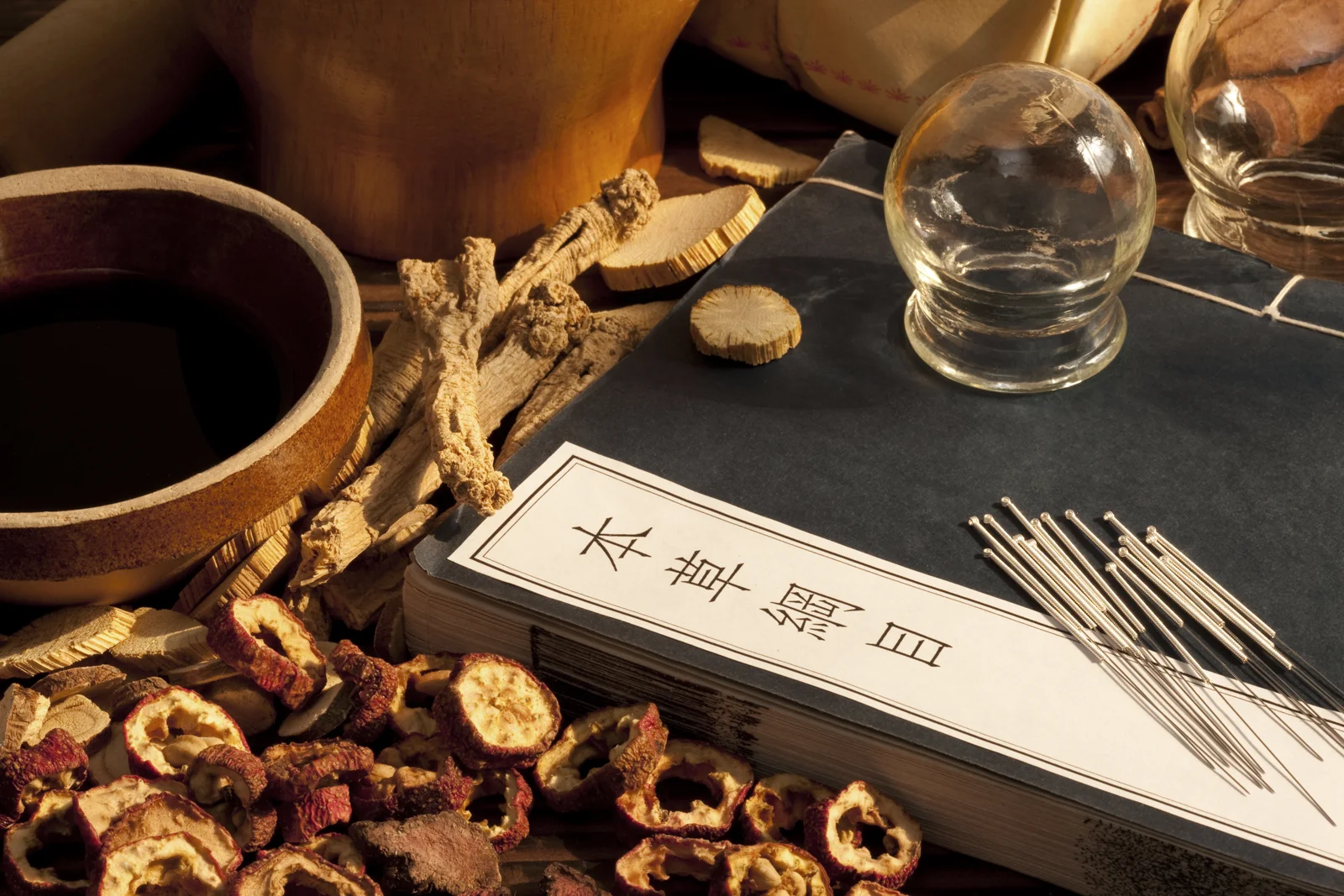
Traditional Chinese Medicine (TCM) is a complex and ancient medical system based on a holistic approach to health, aiming to maintain balance between the body and mind through the harmonization of vital energy, Qi. It has been practiced in China for over 4,000 years, and its principles have also influenced other Asian countries. TCM includes various therapeutic practices such as acupuncture, herbal medicine, Tui Na massage, dietetics, and exercises like Qi Gong.
Fundamental Principles of Chinese Medicine
TCM is based on philosophical and energetic concepts and theories, including the following:
1. Qi (Vital Energy)
Qi is the vital energy that flows through the human body and ensures good health. When *Qi* circulates freely and in a balanced manner, a person is healthy. Conversely, stagnation or deficiency of *Qi* can cause illness. The goal of TCM is to maintain and restore the harmonious flow of *Qi*.
2. Yin and Yang
The concept of Yin and Yang is central in TCM. These are two opposing but complementary forces that govern the universe and the human body:
Yin is associated with the feminine, cold, internal, darkness, moisture, and organs.
Yang is associated with the masculine, heat, external, light, dryness, and vital functions.
Good health results from a dynamic balance between these two forces.
3. The Five Elements
TCM also relies on the theory of the Five Elements: Wood, Fire, Earth, Metal, and Water. Each element is connected to an organ, a season, an emotion, and other physical and mental aspects. For example:
Wood is associated with the liver and gallbladder.
Fire is associated with the heart and small intestine.
Earth is linked to the spleen and stomach.
Metal is linked to the lungs and large intestine.
Water is associated with the kidneys and bladder.
4. Meridians and Acupuncture Points
Meridians are energy pathways that run through the body and connect to internal organs. Qi flows through these meridians, and any blockage or imbalance can lead to illness. Acupuncture points are located along these meridians and can be stimulated to restore Qi balance.
5. Blood (Xue) and Body Fluids
In TCM, blood and body fluids play an essential role in maintaining health. Xue (blood) nourishes and protects Qi, while body fluids (like lymph or saliva) ensure proper hydration and support energy circulation.
Main Practices in Chinese Medicine
TCM comprises several therapeutic methods, each with its own techniques and applications. The main ones include:
1. Acupuncture
Acupuncture involves inserting fine needles into specific points on the body, usually along the meridians, to restore Qi balance and treat various conditions. It is used to relieve pain, address chronic conditions, balance emotions, and boost immunity.
2. Chinese Herbal Medicine
Herbal therapy in TCM uses medicinal plants to strengthen Qi, correct internal imbalances, and improve overall health. Herbs are often prepared as decoctions, powders, pills, or tinctures. Each plant has specific properties that can influence Yin, Yang, or the body's five elements.
3. Tui Na (Therapeutic Massage)
Tui Na is a form of therapeutic massage that combines manipulation, pressure, friction, and stretching techniques to improve the flow of Qi and blood, relieve muscle and joint pain, and restore energetic balance. It is often used alongside acupuncture.
4. Qi Gong and Tai Chi
Qi Gong and Tai Chi are physical practices combining slow movements, deep breathing, and visualization to cultivate Qi. These exercises enhance energy circulation, strengthen muscles, and promote inner calm. They are also effective for stress management, flexibility, and disease prevention.
5. Chinese Dietetics
Chinese dietetics is based on the idea that food helps maintain the balance of Yin and Yang and nourish Qi. Foods are categorized by their thermal properties (hot, cold, warm, cool) and flavors (bitter, sweet, sour, salty). For example, in cases of Qi deficiency or internal cold, warm and spicy foods are recommended.
6. Moxibustion
Moxibustion involves heating acupuncture points using mugwort (a medicinal plant). This stimulates the flow of *Qi* and is often used to warm the body in cases of *Yang* deficiency or to treat cold-related conditions.
Benefits of Chinese Medicine
TCM is used to treat a wide range of physical, emotional, and psychological disorders, as well as to support general wellness. It is particularly effective in managing long-term chronic conditions that may not respond well to conventional Western treatments. Here are some examples of issues TCM can help with:
Chronic pain: Such as lower back pain, neck pain, sciatica, or arthritis.
Digestive disorders: Including bloating, constipation, acid reflux, or irritable bowel syndrome (IBS).
Respiratory issues: Like asthma, chronic cough, or sinusitis.
Emotional imbalances: TCM is also used to treat anxiety, depression, stress, and insomnia.
Fertility problems: TCM helps balance hormones and improve fertility in both men and women.
Immune support: TCM aims to strengthen the immune system and prevent disease.
In Summary
Traditional Chinese Medicine offers a holistic and preventive approach to health that focuses on the body's energetic balance. By working with Qi, the meridians, and elemental correspondences, it aims to address the root causes of illness rather than merely treating symptoms. Acupuncture, herbal medicine, Tui Na, Qi Gong, and dietetics are powerful tools within this therapeutic system, and they can complement Western medicine for many conditions.
Take care of yourself ❤️